



Medical Oncologist
A medical oncologist is one of the health care providers treating someone diagnosed with cancer. The medical oncologist is generally responsible for coordinating a patient’s treatment by using chemotherapy, biologic therapies, or other cancer-fighting drugs. They also provide supportive care to the patient.

Breast Surgeon
A breast surgeon is a general surgeon who is specifically trained and skilled in operating on the breast. Whether you are having prophylactic surgery or a tumor removed, a breast surgeon will perform the surgery.

Gynecologic Oncologist
Specializes in diagnosing and treating cancers that are located in a woman’s reproductive organs. They are usually surgeons, and may also give chemotherapy.
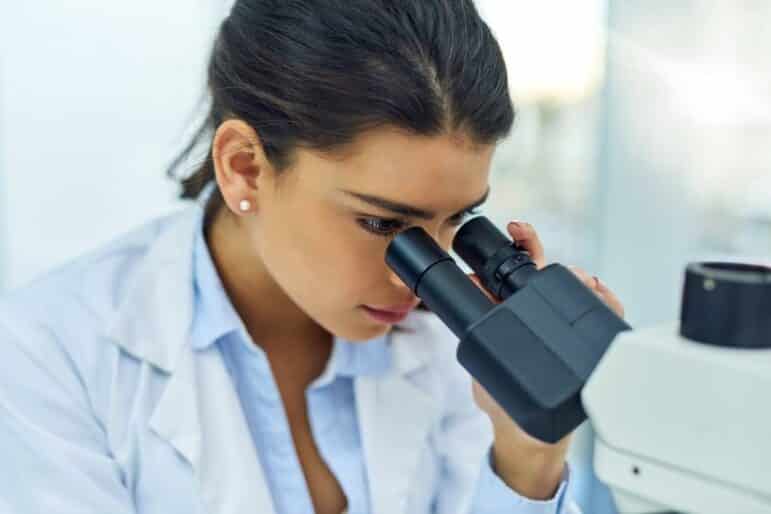
Pathologist
A pathologist studies cells in order to identify and stage cancer based on the appearance of the cells and tissue. Pathologists also perform biologic tests on the tumor to help characterize its cells in order to determine the necessary treatment. Some biologic tests can be done in the hospital, and others are sent to outside laboratories.

Radiation Oncologist
A radiation oncologist is a doctor who has specialized training in using radiation therapy to treat or reduce the symptoms of cancer.
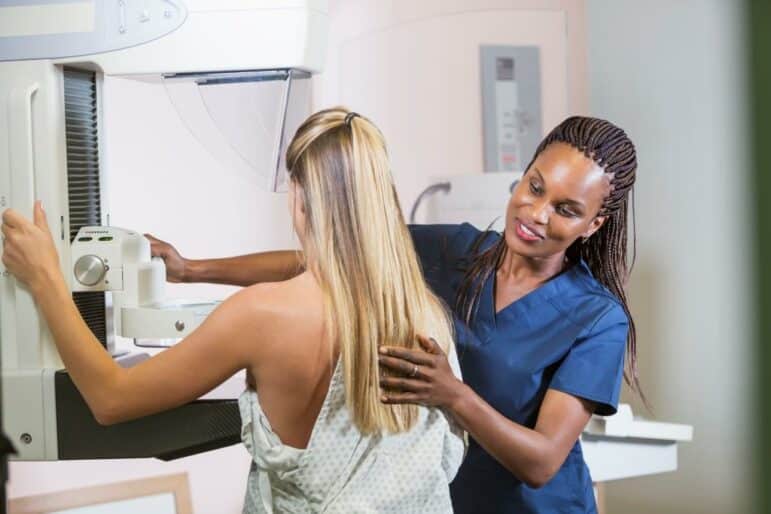
Radiologist
A doctor who prepares and interprets mammograms, ultrasounds, and MRIs, to find or track the progress of cancer and/or benign growths. Radiologists do biopsies to help determine the treatment recommendation.

Reconstructive Plastic Surgeon
A reconstructive plastic surgeon reconstructs the breast after cancer surgery. Breast reconstruction is a surgical procedure that restores shape to the breast after a mastectomy or lumpectomy for cancer or after prophylactic surgery to prevent cancer.

Primary Care Doctor
A primary care doctor tracks your overall health but does not specialize in cancer treatment. However, they can be a valuable resource and will provide referrals to those who do specialize in cancer treatment.

Fertility Specialist
A fertility specialist or a fertility doctor is a reproductive endocrinologist, which is a sub-specialty of obstetrics and gynecology. Their focus is on infertility and fertility treatments in both men and women and can assist in explaining fertility options both before and after cancer treatment or prophylactic surgery.

Oncology Nurse
An oncology nurse gives direct patient and family care and supervises staff caring for patients and families. They also teach patients, families, and staff about cancer, treatment, and the various side effects.

Oncology Social Worker
An oncology social worker offers counseling and practical assistance to women facing breast or ovarian cancer. They help children cope with their parent’s illness, ease communication with family and friends, and teach stress reduction techniques. They also provide community resources and help patients adjust to medical treatment.

Genetic Counselor
A genetic counselor helps patients understand certain genetic risks and whether genetic testing is recommended. If one chooses to get tested, a genetic counselor can interpret the results of the genetic screening tests and discuss the relevant next steps.

Physical Therapist
Physical therapists (PT) are movement experts who can help increase quality of life through exercise, hands on care, and patient education. A PT can help both before and/or after your breast surgeries to help improve possible side effects, optimize motor function and may reduce your risk of lymphedema.

Insurance Case Manager
An insurance case manager, telephonic case manager, a nurse case manager, or a patient navigator, is someone who can help you navigate your insurance coverage and answer individual questions. It is important to note that the title may vary based on your insurance carrier.

Menopause Specialist
A menopause specialist is a healthcare provider with advanced training in menopause and hormone health. They help patients manage menopause symptoms related to cancer treatment or preventive surgeries and evaluate the safety of hormone therapy for those with a personal or family history of cancer, using current evidence and guidelines.
Medical Oncologist
Questions to ask your Medical Oncologist:
- What is the stage of my cancer?
- How does the stage of my cancer affect my treatment options?
- What treatment do you recommend and why?
- Will I need chemotherapy?
- What is scalp-cooling (cold caps) and am I a candidate?
- What should I be doing differently while undergoing treatment?
- What is the goal of my treatment?
- Has the cancer spread beyond where it started?
- Will I benefit from testing of the tumor cells?
- What’s my plan for after chemotherapy, surgery, and/or treatment? Are there signs and symptoms I should be aware of?
- If cancer is only found in one of my breasts, should I consider prophylactic options? If yes, what are they?
- Should I see a doctor who specializes in treatment of ovarian cancer? Is so, who do you recommend?
- Are there other treatment options or clinical trials that I may qualify for?
- What are possible risks and benefits of joining a clinical trial, compared to my regular treatment plan?
- If I join a clinical trial, who is in charge of my care?
- Are there any financial considerations before joining a clinical trial? Who should I speak to?
- What is step therapy and how might it impact my treatment choices? Is there any way around it?
- What is a biosimilar and how do I know if I am receiving one?
- Will using a biosimilar impact my treatment and/or outcome?
Breast Surgeon
Questions to ask your Breast Surgeon:
- How do I prepare for breast surgery?
- What happens before, during and after my surgery?
- When can I go back to work and resume normal activities?
- What is the difference between a mastectomy and lumpectomy? What are my options?
- Is breast reconstruction surgery an option if I want it?
- What does breast reconstruction surgery involve?
- Can breast reconstruction be done at the same time as the mastectomy?
- Will you be removing lymph nodes as part of my surgery? How many? What impact will that have?
- If I am high risk, is a mastectomy my only option for breast cancer prevention?
- Do I have to decide what type of surgery I am going to have right away?
Gynecologic Oncologist
Questions to ask your Gynecologic Oncologist:
- What treatment options do you normally recommend for people with my type and stage of cancer?
- What are the anticipated results of this treatment?
- Would you recommend additional tests and, if so, what additional information would the tests provide?
- How will this treatment and surgery affect my ability to have children?
- What is my plan for follow up after chemotherapy, surgery, and/or treatment? Are there signs and symptoms I should be aware of?
- What are the recommendations regarding salpingectomy vs. oophorectomy vs. hysterectomy?
- If I am high risk, when should I consider getting a prophylactic oophorectomy or hysterectomy?
- Are there other treatment options or clinical trials that I may qualify for?
- What are possible risks and benefits of joining a clinical trial, compared to my regular treatment plan?
- If I join a clinical trial, who is in charge of my care?
- Are there any financial considerations before joining a clinical trial? Who should I speak to?
- What is step therapy and how might it impact my treatment choices? Is there any way around it?
Reconstructive Plastic Surgeon
Questions to ask your Reconstructive Plastic Surgeon:
- How do I know which type of reconstruction is best for me?
- What are the pros and cons of getting reconstructive plastic surgery at the same time as my breast surgery versus waiting?
- Will my reconstructed breast match my other breast?
- Will breast reconstruction surgery interfere with my chemotherapy or radiation therapy?
- What are my options for reconstruction if I am doing a prophylactic mastectomy?
- What possible side effects from my implants should I look out for?
- What risks could be associated with my choice of implants?
Radiation Oncologist
Questions to ask your Radiation Oncologist:
- What do you expect to be the outcome of radiation therapy?
- How many treatments are involved in the process?
- How long does each session last?
- What side effects should I expect to experience?
- Will any other parts of my body also be affected by the radiation?
- Do you have a full-time dosimetrist (a dosimetrist is a member of the radiation oncology team who coordinates and plans the radiation dosage and area) on staff and will they be the one mapping my radiation?
- How often is the radiation equipment checked?
- Are you (the doctor) on site to review my scans? How many health care professionals will be present during my radiation treatment?
- Am I required to get tattooed for my radiation or is it optional?
Radiologist
Questions to ask your Radiologist:
- What will my breast imaging show?
- How long will it take to receive my mammogram results?
- What happens next if the screening shows something that looks abnormal?
- Are there different options of types of mammograms or screenings that can be done?
- How often should I come in for a screening?
Pathologist
Questions to ask your Pathologist:
- What types of tests will be done on the specimen?
- How is the tissue for the test obtained?
- How long does it take to receive my pathology report?
- What information does the pathology report contain?
- If I am having prophylactic surgery, will I get a pathology report?
Primary Care Doctor
Questions to ask your Primary Care Doctor:
- Is there anything I should be doing differently while undergoing cancer treatment?
- Do I need to make any changes to my regular, not cancer related medications?
- Can you provide referrals for my cancer treatment team?
- If I know that I am at high risk for breast and/or ovarian cancer, at what point should I consider prophylactic surgery?
- If I am at high risk for breast and/or ovarian cancer, and do not want to do surgery, what are my options for monitoring my health?
Fertility Specialist
- How may my cancer treatment affect my fertility?
- If I am doing prophylactic surgery, will this affect my fertility? How?
- Can I postpone my prophylactic surgery so that I can try to conceive?
- Can I preserve my fertility prior to treatment and/or prophylactic surgery? How?
- How long can embryos, eggs, and tissue be frozen for? Is this an option that I should consider?
- Can I postpone treatment to allow more time for ovulation stimulation?
- Should I consider taking drugs to suppress my ovarian function during treatment? What are the pros and cons?
- How long does it typically take for fertility to return after treatment?
- Is pregnancy safe for me after cancer and/or prophylactic surgery? If yes, how long should I wait?
- How long should I wait before not getting pregnant to see a fertility specialist?
- I am a carrier for a gene mutation that puts me at higher risk for developing breast and or ovarian cancer, is there a way to avoid passing this on to my future children?
Oncology Nurse
Questions to ask your Oncology Nurse:
- What is your specific role in my treatment process?
- Who is my main point person throughout my cancer process?
- Can I ask you questions if my doctor is not available?
- What do I do if I do not feel comfortable with my doctor?
- My doctor hasn’t called me back with my results, what should I do?
- Will you be following my case or will there be different nurses each time I get treated?
- If I need treatment, will it be administered by you or by the doctor?
Oncology Social Worker
Questions to ask your Oncology Social Worker:
- How will you help me and my loved ones?
- How can you identify and connect me to the specific resources I need?
- At which point along my cancer journey will contacting you be helpful?
- Can you help me speak with my children about my cancer?
- How can you help me find financial assistance?
- I will need a home nursing aid; will you be able to help me find one?
Genetic Counselor
Questions to ask your Genetic Counselor:
- What are the benefits of genetic counseling and testing?
- What specifically are genetic tests looking for?
- What happens if the test results prove that I am a carrier for a certain gene mutation?
- What information about my family history should I find out before my appointment?
- If I am a carrier of a hereditary mutation and at higher risk to develop cancer, what are the chances that I will pass the gene mutation on to my child? Can it be avoided?
Physical Therapist
Questions to ask your Physical Therapist:
- Are there specific exercises I can do before surgery to help the outcome of my surgery?
- How soon after my surgery (ie: prophylactic, mastectomy, lumpectomy, reconstruction) can I start physical therapy?
- Can you help me make a post-surgery exercise plan?
- Are there specific exercises that may help reduce the risk of lymphedema?
- Will physical therapy be painful? If so, what can I do for the pain?
Insurance Case Manager
Questions to ask your Insurance Case Manager:
- Is my health care provider in-network or out-of-network?
- Do I have an out-of-network benefit?
- If my health care provider is out-of-network, what is my co-payment and co-insurance cost?
- Do I need prior authorization for treatment?
- If my claim is denied, what is the appeal process?
- Are the medications prescribed to me covered or are they a part of the step therapy program? Is there a list of formulary medications available?
- If there are access barriers preventing me from getting my medication, is my health care provider able to appeal and what is that process?
Menopause Specialist
- Based on my treatment plan, am I likely to experience treatment-induced menopause, and should we discuss a menopause management plan before surgery or treatment begins?
- What is the difference between systemic hormone replacement therapy (HRT) and low-dose vaginal estrogen therapy?
- Based on guidance from organizations such as the Society of Gynecologic Oncology (SGO) and NCCN, how do my cancer type, hormone receptor status, genetics, age, surgical history, and current medications affect which hormone therapy options may be safest and most appropriate for me?
- If hormone therapy is not recommended in my situation, what non-hormonal medications and evidence-based strategies have been shown to effectively improve menopause symptoms and quality of life?
- If I enter menopause abruptly because of surgery or treatment, what steps can we take to proactively manage symptoms such as hot flashes, brain fog, sleep disturbances, vaginal dryness, and sexual health concerns while protecting my long-term health and quality of life?
- Beyond medication, what lifestyle interventions, nutrition strategies, exercise recommendations, pelvic floor therapy, and sleep or stress-management approaches are important for supporting long-term health during menopause and survivorship?
- What emerging research, new menopause therapies, evidence-based treatment approaches, or clinical trials should cancer survivors and previvors know about when managing menopause symptoms and long-term health?
This page is sponsored by:

שרשרת אינה תומכת או מקדמת תרופה, טיפול, מוצר או שירות ספציפיים.