


What Men Need to Know About BRCA & Beyond
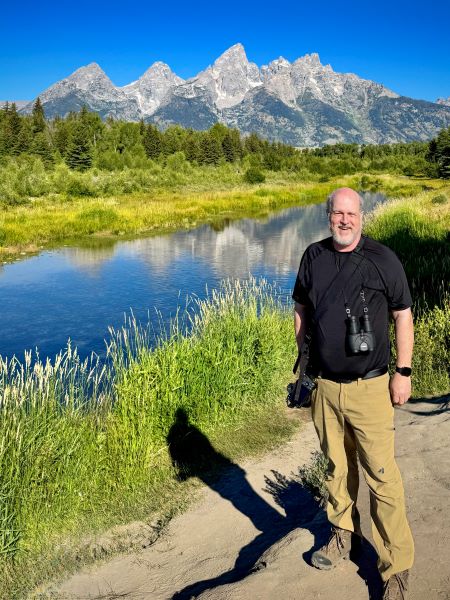
I was 26 when I was diagnosed with Stage I testicular cancer, which is not typically linked to BRCA mutations. Surgery turned out to be the only treatment I needed, but that was not how it felt at the time. After surgery, I was pushed toward a treatment that I later learned was far more aggressive than my situation required. Trying to sort that out for myself eventually led me to look for better information, more opinions, and a clearer understanding of the choices I actually had. In time, I began to help other men sort through the same kind of fear and confusion. That effort became a website, an email support group, and eventually a nonprofit.
Over time, I also became involved in efforts to improve cancer care for adolescents and young adults. One of those efforts was the LIVESTRONG Young Adult Alliance, a national coalition of cancer organizations, clinicians, researchers, advocates, and survivors working to improve care, research, awareness, and support for young people with cancer. At the first meeting of that organization, I met Rochelle Shoretz, the founder of Sharsheret. We sat next to each other at dinner and spent the evening talking about our respective organizations. My daughter was about 10 years old at the time. Never did I imagine that she would someday benefit from Rochelle’s organization.
A few years later, my wife’s doctor asked about cancer in her family. There was not much. Then her doctor asked about my family. My father had prostate cancer. My aunt had breast cancer. My grandmother had died of cancer before I was born. Based on that history, the doctor suggested that I be tested for BRCA. Despite all my cancer knowledge, I resisted at first.
Eventually, I gave in. I knew enough to create a family tree, or what doctors call a pedigree, to document the cancer in my family. That is when the pattern became much harder to ignore. Every one of my father’s female cousins had breast cancer. One also had ovarian cancer. My mother’s sister had breast cancer. So did my mother’s brother. In 2009, I learned that I carry a BRCA2 mutation.
Calling BRCA a women’s issue misses half the story. Men can carry these mutations. Men can develop related cancers. Men can pass the risk to their children. And sometimes men are the link that helps a family finally understand what has been happening across generations.
In my family, that knowledge mattered. My brother later developed pancreatic cancer, another cancer associated with BRCA2. His cancer was not found early enough to save him, but knowing about the mutation helped guide treatment and likely gave him more time as he almost made it five years.
We also tested all of our kids. The doctors didn’t really want to test them because they were too young, and it would only cause them anxiety. The doctors did not seem to realize that not knowing whether you have a mutation when your parent does have one can also cause anxiety. In this case, two of my kids turned out to carry the mutation. Because my daughter also knew she was at increased risk, we made sure that she was being seen by a gynecologist who specialized in high-risk patients. When she found a lump at age 24, no one brushed her off or told her that she was too young for this cancer. It is trite, but knowledge really is power, and knowledge of her risk enabled her to get treated quickly and capably.
I remembered Sharsheret, and we gave them a call. Suddenly, Sharsheret was not just an organization I remembered from a dinner years earlier. It was part of my family’s real life, and it was a blessing. Soon after I became a part of Sharsheret’s Men’s Leadership Council. Sadly, BRCA2 affected us one more time as I was diagnosed with prostate cancer at age 56, another BRCA-related cancer.
Genetic information can create anxiety. I understand that. But not knowing does not make the risk go away. It only leaves families with fewer chances to act. When a known pathogenic mutation is in the family, potentially affected relatives should seriously consider testing, ideally with guidance from a genetic counselor. Family history still matters too, because not every cancer is explained by a known mutation, and in fact, some of the cancers in my family have nothing to do with BRCA, and not every risk is obvious at first.
Men should not stand outside these conversations. We can carry the risk, pass it on, develop related cancers ourselves, help identify the pattern, and support our families when cancer enters the room. That is why families need good information, honest conversations, and organizations like Sharsheret that understand how cancer affects everyone around the diagnosis.